How Building Owners and FM Companies Can Use Occupancy Data to Reduce Space and Operational Cost
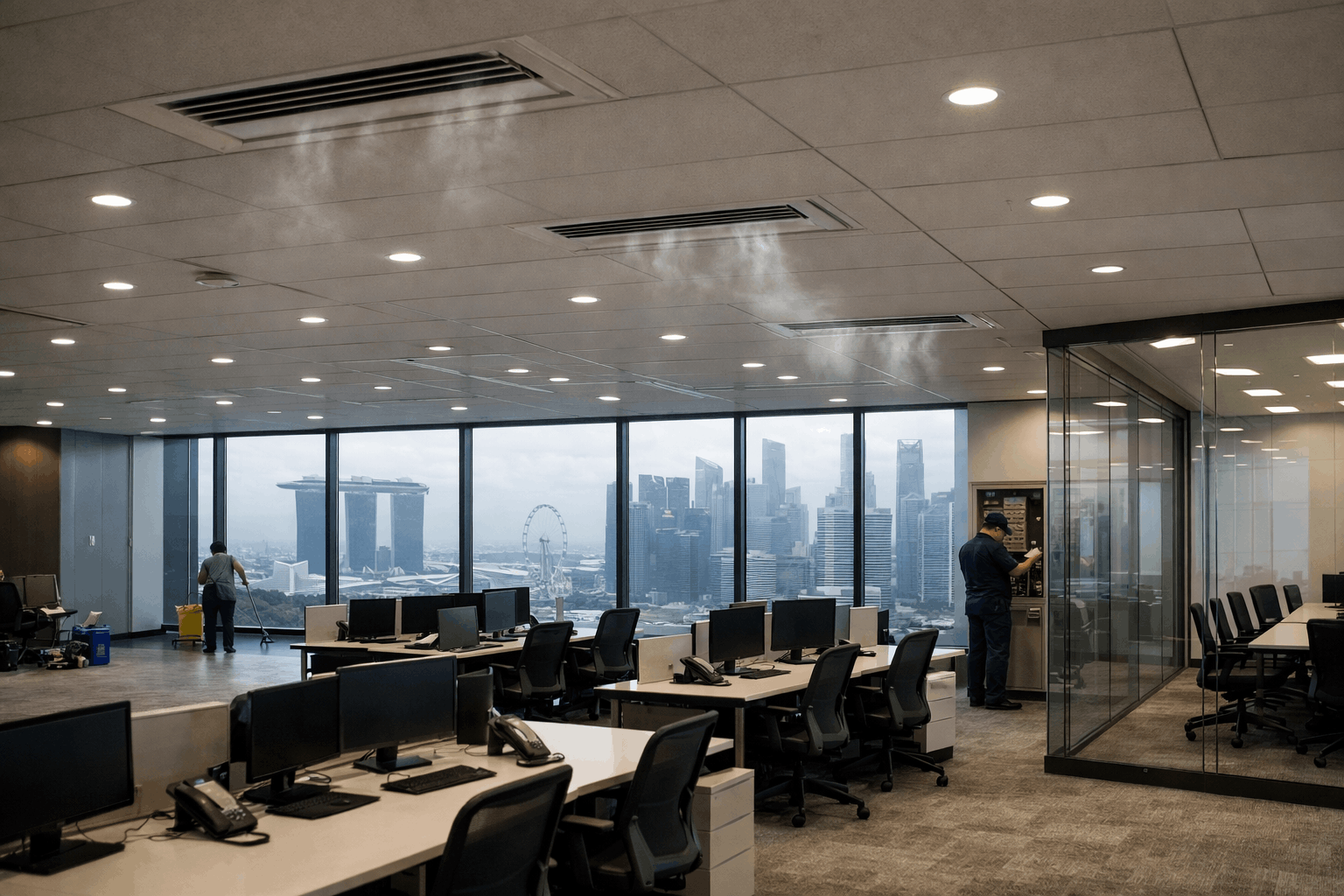
In Singapore, commercial office space is expensive — but rent is only the visible cost.
For building owners, corporate real-estate departments, and facilities management (FM) companies, unused or underutilised space continues to incur full operational cost, even when it delivers little or no value to tenants or occupants.
These ongoing costs include:
- Air-conditioning and ventilation
- Lighting and electrical systems
- Cleaning and consumables
- Preventive and corrective maintenance
- Wear and tear on mechanical and electrical assets
As a result, oversized offices quietly inflate operating expenditure (OPEX) every month, on top of already high rental costs. This is why occupancy sensing — when designed correctly — is no longer a “smart building feature”, but a cost-reduction strategy.
The Common Failure: Data Without Decisions
Many buildings already deploy workplace sensors:
- Desk sensors
- Room sensors
- People counters
Yet real-estate and FM teams still struggle to answer fundamental questions:
- Which areas can be consolidated or shut down?
- Which floors are consistently underutilised?
- Where can cooling, cleaning, and maintenance be reduced safely?
The issue is not a lack of data.
The issue is fragmented occupancy data that is not aligned to real-estate and operational decisions.
When sensors are deployed without a clear utilisation model, organisations end up with dashboards — but no confidence to act.
A Cost-Driven Occupancy Model for Building Owners and FM Companies
To reduce both rental cost and OPEX, occupancy sensing must reflect how buildings are actually planned, operated, and maintained.
A practical model consists of three layers:
- Desk utilisation – individual workpoints
- Room utilisation – shared assets
- Office / floor utilisation – energy, maintenance, and leasing decisions
Each layer answers a different cost-related question.
Desk Utilisation: Eliminating Silent Space Waste
Why desks matter
Every desk represents:
- Allocated floor area
- Cooling and lighting demand
- Cleaning frequency
- Furniture and maintenance liability
Low desk utilisation often indicates structural over-allocation of space.
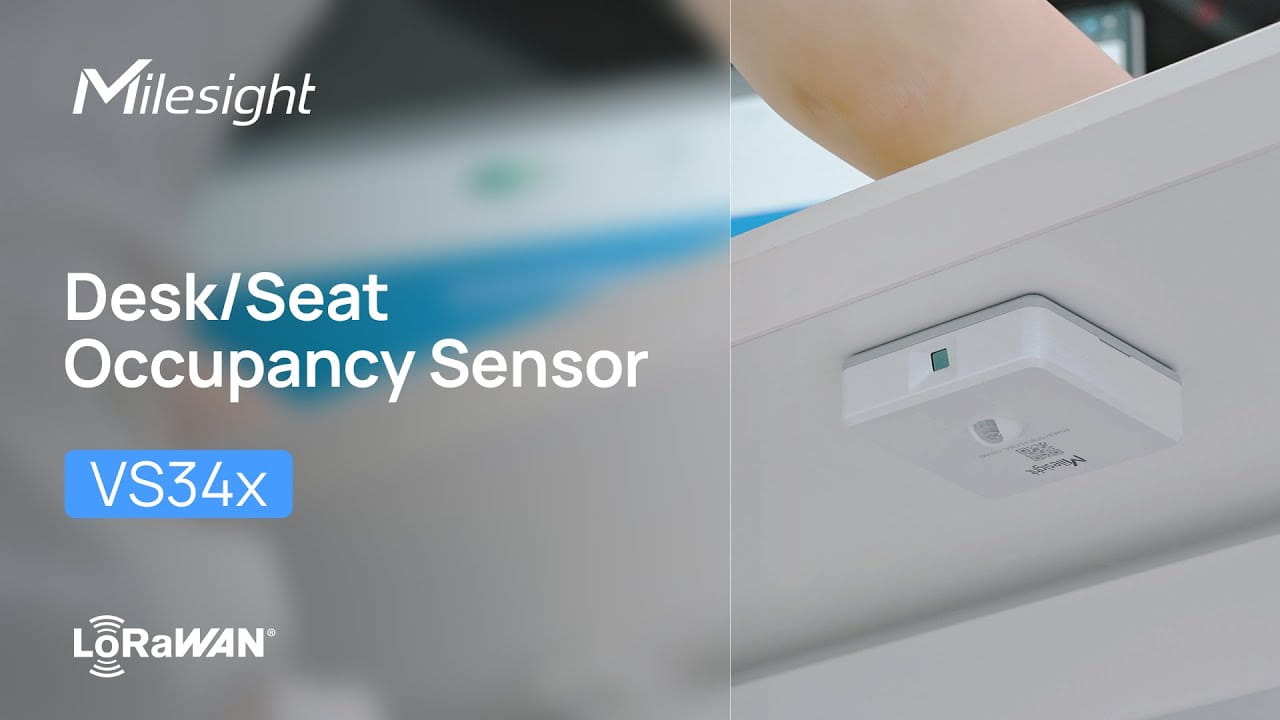
Desk-level sensing with VS341
The VS341 desk occupancy sensor provides objective data on actual desk usage, not assumptions based on headcount or booking policies.
This allows real-estate and FM teams to:
- Identify persistently unused desk zones
- Support desk reduction or consolidation initiatives
- Validate hybrid work and hot-desking strategies
Reducing desk count is not just about aesthetics — it enables entire zones to be decommissioned, lowering cooling load, cleaning scope, and maintenance cost.
Room Utilisation: High Cost, Often Low Efficiency
The hidden cost of meeting rooms
Meeting rooms are among the most expensive spaces per square metre due to:
- Continuous air-conditioning
- Frequent cleaning
- AV systems and specialist maintenance
Yet they are often:
- Booked but unused
- Oversized for actual usage
- Poorly matched to demand
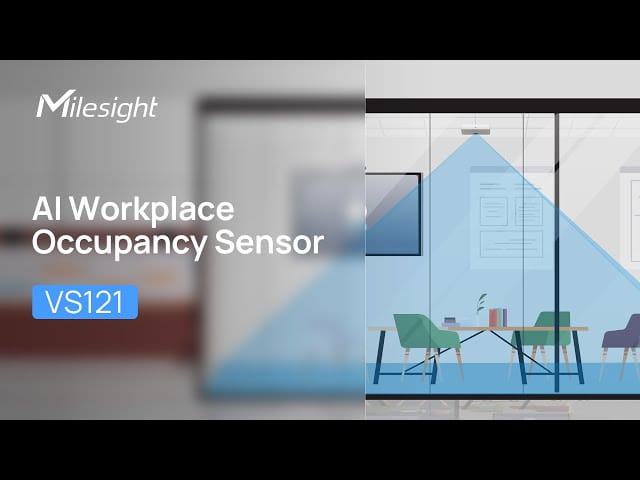
Room sensing with VS121
The VS121 room occupancy sensor measures actual room usage, independent of booking systems.
This enables:
- Identification of oversized or underused rooms
- Redesign of room mix based on real demand
- Reduction in unnecessary meeting room inventory
For FM companies, this directly translates into lower cleaning effort, reduced AV maintenance, and better HVAC zoning efficiency.
Office and Floor Utilisation: Where OPEX Savings Multiply
Floor-level decisions drive the biggest savings
Cooling, ventilation, washrooms, lifts, and common services are typically operated by floor or zone.
If a floor is underutilised, the building still pays:
- Full HVAC operation
- Full cleaning schedules
- Full preventive maintenance
This is where underutilisation becomes a compounding cost problem.
Office-level sensing with VS350
The VS350 office occupancy sensor provides people counting and zone-level occupancy insights.
This allows building owners and FM teams to:
- Identify persistently underused floors
- Consolidate tenants or departments
- Shut down or partially deactivate floors during low-demand periods
Once consolidation happens, FM teams can reduce:
- Cooling hours
- Cleaning scope
- Asset wear and long-term maintenance cost
These are recurring, measurable OPEX savings.

The Dashboard: Turning Sensor Data into Actionable Insights
Sensors generate data.
Dashboards generate decisions.
A unified dashboard is critical to avoid fragmented interpretation and to support real-estate and FM actions.
One Dashboard, All Occupancy Layers
The dashboard consolidates data from:
- Desk occupancy sensors (VS341)
- Room occupancy sensors (VS121)
- Office and floor occupancy sensors (VS350)
Instead of multiple disconnected views, all data is aligned into one coherent utilisation model, ensuring consistency across teams and stakeholders.
Actionable Insights That Matter to Real-Estate and FM Teams
A well-designed dashboard focuses on outcomes, not raw signals. Key insights include:
- Space Right-Sizing Opportunities
- Identification of desks, rooms, or floors with persistently low utilisation
- Clear evidence to support consolidation or space surrender
- Data-backed recommendations for lease optimisation
- Operational Cost Optimisation (OPEX)
By correlating occupancy with time and location, FM teams can:
- Adjust HVAC schedules based on real usage
- Reduce cooling and lighting in underutilised zones
- Optimise cleaning frequency
- Focus maintenance where usage is highest
- Utilisation Trends, Not Snapshots
The dashboard provides:
- Daily, weekly, and monthly trends
- Peak vs off-peak usage patterns
- Long-term evidence to support strategic decisions
This gives senior stakeholders confidence to act — especially in Singapore’s high-cost real-estate environment.
- Clear Reporting for Clients and Stakeholders
For FM companies managing buildings on behalf of clients, the dashboard enables:
- Clear utilisation reports
- Data-driven recommendations
- Strong justification for operational and space changes
This strengthens the FM company’s advisory role and client trust.
Why Building Owners and FM Companies Should Contact Us
Most solutions stop at monitoring.
We focus on measurable cost impact.
By engaging us, you gain:
- A utilisation strategy designed for rental and OPEX reduction
- A sensor architecture aligned to real-estate and FM decisions
- A unified dashboard that delivers actionable insights
- Data that supports consolidation, optimisation, and lease discussions
In Singapore, where space and operations are both costly, clarity translates directly into savings.
Final Thought: Unused Space Is a Compounding Liability
Unused space does not sit idle. It:
- Consumes energy
- Requires maintenance
- Increases operational cost
- Reduces asset efficiency
Occupancy sensing — when designed and interpreted correctly — provides the confidence to reduce space, reduce services, and reduce cost, without compromising operations.
Next Step
If you are a:
- Building owner seeking higher asset efficiency
- Real-estate team under pressure to right-size space
- FM company helping clients control operating cost
Contact us for a demo and discussion.
We will show you how unified occupancy data and a purpose-built dashboard can deliver real, defensible rental and OPEX savings — which matters most in Singapore’s commercial real-estate market.