We Were Wasting Thousands of Dollars Every Month — and Had No Idea

Most businesses I talk to assume their energy costs are just a fixed line item. A necessary evil. Something you pay, shrug at, and move on. I used to think the same way — until I saw real-time data tell a very different story.
A facility manager I worked with recently discovered that nearly 22% of her building’s energy consumption was happening between 11 PM and 5 AM. No staff. No production. Just machines quietly draining power because no one had ever looked closely enough to notice. The fix, once they found the problem, took less than a week. The savings covered their entire monitoring investment in under three months.
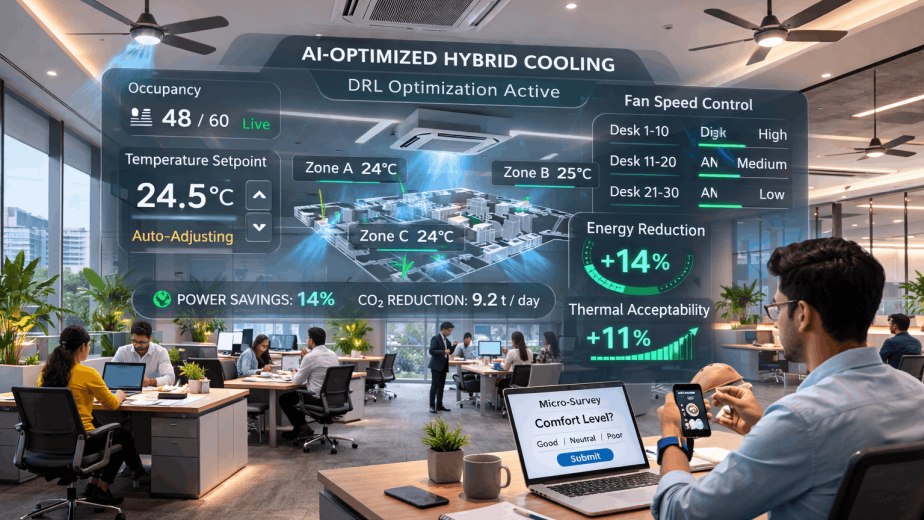
That’s the thing about energy waste — it’s almost never dramatic. It doesn’t announce itself. It hides in the background hum of equipment that runs slightly too long, HVAC systems that don’t talk to occupancy sensors, and lighting that no one remembers to question. You don’t see it until you have the right eyes watching.
That’s exactly where IoT-based energy monitoring changes the game.
At NexAscent, we’ve been working with industrial and commercial clients to deploy connected sensor networks that don’t just collect data — they make that data actionable. The difference matters more than people realize. There’s a whole graveyard of dashboards out there that look impressive and do nothing, because they surface numbers without context. What you actually need is a system that flags anomalies, learns baseline consumption patterns, and alerts your team before a small inefficiency compounds into a costly one.
One lesson I’ve learned through this work: the biggest barrier to energy optimization isn’t technology — it’s visibility. Most facility teams are talented and motivated, but they’re operating blind. They’re making decisions based on monthly utility bills, which is a bit like trying to drive using only your rearview mirror. IoT monitoring shifts that entirely. Suddenly you’re getting granular, real-time feedback — by machine, by zone, by shift — and the patterns you find are often stunning.
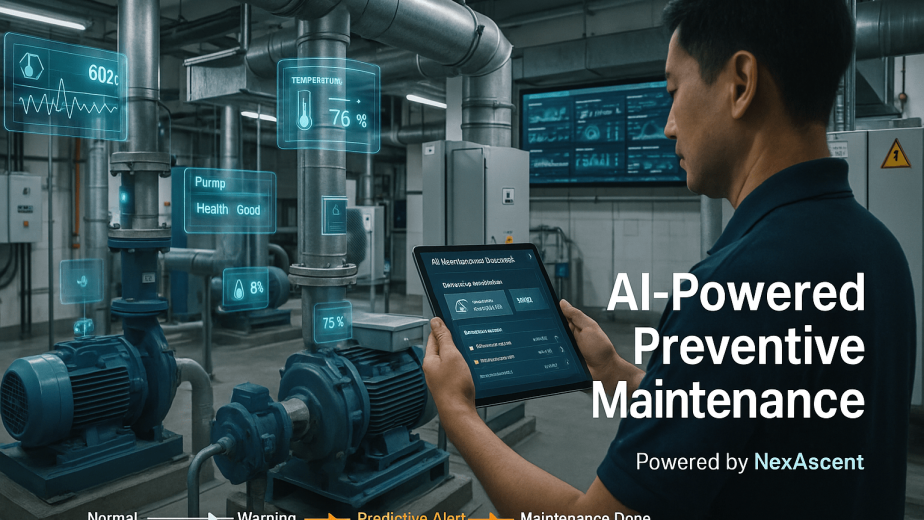
We had a manufacturing client who was convinced their compressor system was running efficiently. It had passed every scheduled inspection. When we installed monitoring across their compressed air lines, we found a series of micro-leaks and pressure inconsistencies that were costing them over $40,000 a year in wasted energy. Not a catastrophic failure — just quiet, invisible inefficiency that no quarterly audit would ever catch.
The technology itself has matured enormously. Modern IoT sensors are low-cost, wireless, and increasingly easy to retrofit into existing infrastructure without major disruption. Cloud-based platforms can aggregate data across multiple sites. Machine learning models can separate normal operating variance from genuine waste signals. What used to require a team of engineers and months of analysis can now be set up, running, and generating insights in a matter of days.
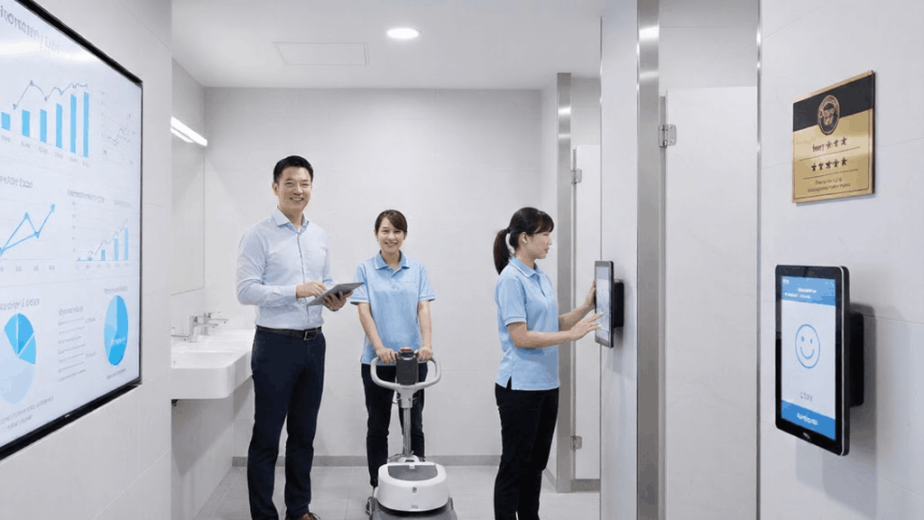
But I want to be clear about something: the technology is only as good as the culture around it. The organizations that get the most from energy monitoring are the ones that treat the data as a conversation starter, not just a report. They share consumption metrics across departments. They set internal targets. They celebrate when a maintenance team catches something early. The IoT system gives you the intelligence — your people have to act on it.
This is why I’m genuinely excited about where this space is heading. We’re moving from energy monitoring as a compliance checkbox toward energy intelligence as a genuine competitive advantage. Companies that get ahead of this now — that build the data infrastructure and the internal habits — are going to have a real edge as energy costs continue to climb and sustainability pressures increase.
So here’s what I’d ask you to sit with: If you had minute-by-minute visibility into every corner of your facility’s energy use, what do you think you’d find?
If you’re not sure — or if part of you suspects the answer might be uncomfortable — that’s exactly where the conversation should start. Drop a comment below, or reach out directly. I’d love to talk through what’s possible.