People Counter Singapore: Turn Building Footfall Into ROI
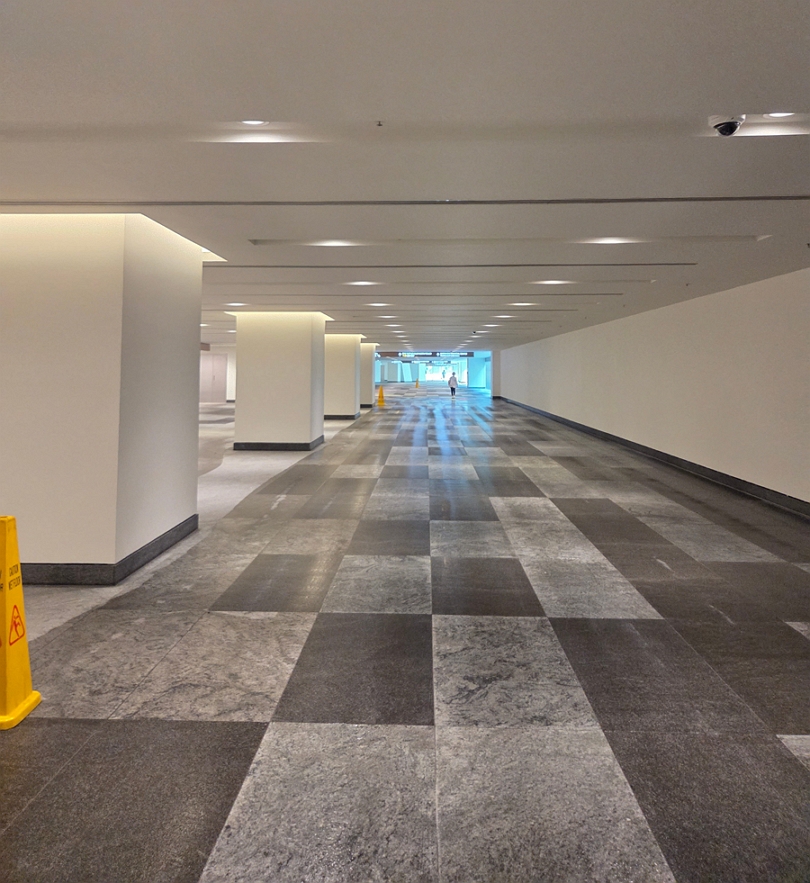
The Corridor You’re Ignoring Might Be Your Best Untapped Asset
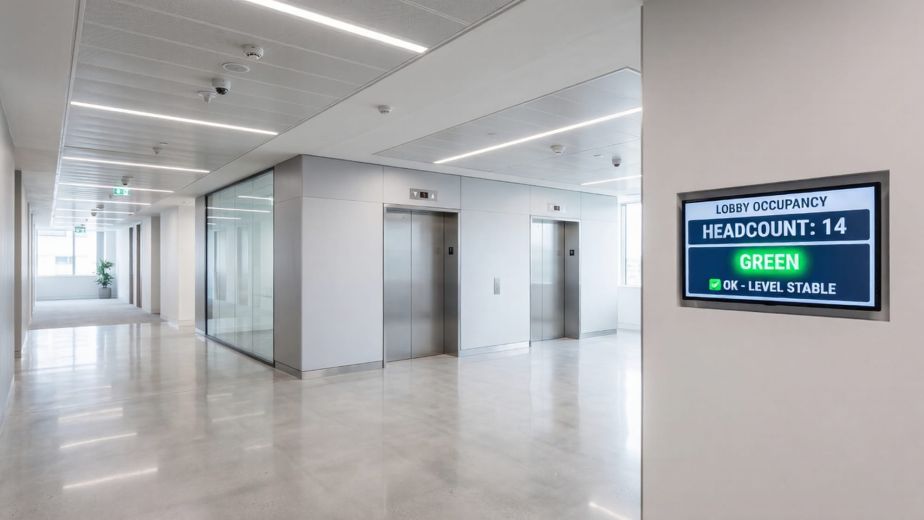
A people counter Singapore building owners can rely on needs to do more than tally heads — it needs to turn a quiet cost center into a revenue line. Walk through any basement linkway connecting an MRT station to a Grade A office tower in Raffles Place or Marina Bay, and you’ll notice the same thing: wide, well-lit, immaculately finished passages that thousands of people cross every single day — and almost none of that space is generating a cent of revenue.
That’s not a design flaw. It’s a data gap.
Building owners already know these linkways matter — they’re built to Code, air-conditioned, and maintained to the same standard as the lobby. But without knowing exactly how many people pass through, when, and in which direction, it’s nearly impossible to make the case to convert even a modest strip of that corridor into a kiosk, vending concession, digital ad panel, or pop-up retail bay. You can’t price a lease you can’t quantify.
Why “We Think It’s Busy” Doesn’t Close Deals
Most owners and asset managers I speak with in Singapore have a rough sense of footfall from security headcounts, F&B tenant feedback, or simply “it feels busy at lunch.” That’s a hunch, not a number — and retail operators, F&B concessionaires, and advertising buyers don’t lease space on hunches.
If you want to convert circulation space into a revenue-generating asset, you need three things a hunch can’t give you:
- Verified, continuous footfall counts — not a one-week manual survey, but 24/7 data across weekdays, weekends, and seasonal variation.
- Directional and time-of-day granularity — a corridor that’s dead at 10am but packed at lunch and again at 6pm tells a very different leasing story than flat traffic.
- A defensible number for rent negotiation — whether you’re pricing a vending concession, digital signage slot, or short-term retail pop-up, tenants will ask for footfall proof before they commit, and landlords who can’t produce it lose leverage in the negotiation.
What a People Counter Singapore Buildings Actually Need
This is where the hardware matters, and it’s worth being precise about what “people counting” actually means in a commercial building context, because not all sensors are built for it.
Devices like the Milesight VS125 and VS135 use ToF (time-of-flight) or stereo vision sensing mounted overhead, which gives you:
- Bi-directional counts — in vs. out, not just raw traffic, so you know net occupancy and true daily unique passes, not double-counted noise.
- Consistent accuracy in mixed conditions — busy linkways have overlapping bodies, trolleys, umbrellas during wet weather; overhead ToF sensors hold accuracy where simple PIR or beam counters fail.
- Zone-level deployment — multiple units along a long passage let you see where footfall thins out, which tells you exactly where a kiosk placement will underperform versus where it will thrive, before you sign a tenant.
The sensor alone isn’t the product, though. Raw counts sitting in a device log don’t help you negotiate a lease or justify a capex spend to your board. The value is in what happens after the count — a dashboard that turns weeks of raw traffic data into a pattern you and your leasing team can actually act on: heatmaps by hour and day, week-on-week trend lines, comparison across multiple corridors or entrances in the same building, and exportable reports you can hand directly to a prospective tenant or present at MCST/JMC level.
From Footfall Data to Actual ROI — Four Ways Owners Are Doing This
1. Kiosk and vending concession leasing
A corridor with 8,000+ daily passes and a strong lunchtime peak is a defensible pitch to a coffee cart, convenience vending, or F&B kiosk operator — and it lets you price the lease against comparable footfall in the mall or transit space next door, rather than guessing.
2. Digital advertising panels
Out-of-home advertising buyers price placements on eyeballs, specifically dwell-adjusted footfall, not floor area. A verified, auditable count (versus a self-reported estimate) is often the difference between winning an ad concession contract and losing it to a building that can produce the data.
3. Retention and renewal leverage with anchor tenants
If you manage a mixed office/retail asset, footfall trends around a tenant’s unit — before and after a fit-out change, a new entrance, or a competing tenant opening nearby — give you real conversation material at renewal time, rather than relying on the tenant’s own claims about how their business is doing.
4. Justifying capex for circulation upgrades
Before spending on a linkway refresh, new signage, or an additional entrance, footfall data tells you whether the investment will actually be used — and afterward, it tells you whether it worked, which matters when you’re reporting back to a board or fund.
What This Looks Like in Practice
In deployments across pilot sites in Singapore — including a footfall project analyzing Chinatown pedestrian corridors — the pattern tends to be consistent: owners are frequently surprised by where traffic actually concentrates versus where they assumed it would. A corridor everyone assumed was the “quiet” one often turns out to have consistent throughput at hours nobody was monitoring, simply because no one had ever measured it properly.
That gap between assumption and reality is exactly where the ROI case gets made — or missed.
The Practical Starting Point
You don’t need to instrument an entire building to get started. A focused pilot — one or two high-traffic linkways or entrance points, running for 4–6 weeks with a proper LoRaWAN or PoE-connected sensor feeding a real dashboard — is usually enough to produce a defensible footfall baseline you can bring to a leasing conversation or a board paper.
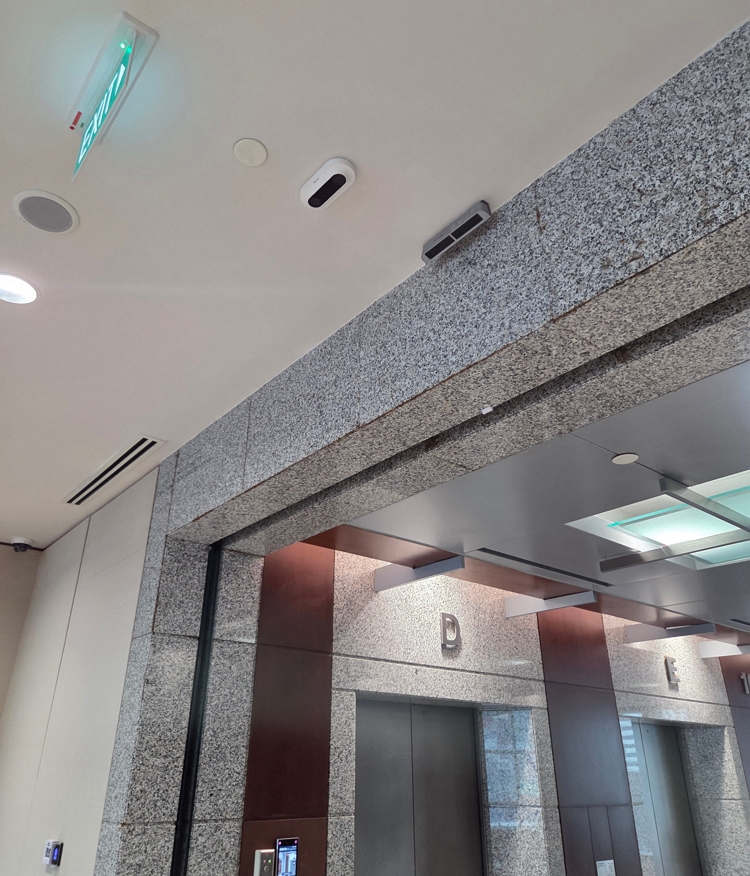
The corridor is already built. The lighting, the flooring, the air-conditioning — that capex is sunk. The only thing missing is the data that turns it from a cost center into a line item on the income statement.
Ready to run a people counter Singapore pilot on your property? A short pilot deployment is usually enough to know whether the numbers support a leasing or advertising case.